
Skip to content

Menu

  • Home
  • Dog Breeds
  • Dog Care
  • Dog Health
  • about us
  • Privacy Policy
  • Dog Training

Archives

  • March 2026
  • June 2025
  • May 2025
  • April 2025
  • March 2025
  • September 2024
  • August 2024
  • July 2024
  • June 2024

Calendar

March 2026
MTWTFSS
 1
2345678
9101112131415
16171819202122
23242526272829
3031 
« Jun    

Categories

  • Dog Breeds
  • Dog Care
  • Dog Health
  • Dog Training

Copyright Pet Dogs Guide 2026 | Theme by petdogsguide | Proudly powered by WordPress

Pet Dogs GuidePet Care Guides & dogs training tips and Dog Health
  • Home
  • Dog Breeds
  • Dog Care
  • Dog Health
  • about us
  • Privacy Policy
  • Dog Training
  • You are here :
  • Home
  • Dog Health
  • Why Is Your Dog Always Sniffing There?

Why Is Your Dog Always Sniffing There?

Dog Health Article

The Nature of a Dog’s Sense of Smell

Dogs have an extraordinary sense of smell that is far superior to humans. Their noses contain up to 300 million olfactory receptors, compared to our 6 million. This heightened sense allows them to detect scents that are imperceptible to us, making sniffing an essential part of their daily life.

Understanding Canine Behavior

One of the main reasons dogs sniff specific areas is to gather information. When a dog sniffs, especially another dog’s rear end, it is their way of learning about the other dog’s identity, health, diet, and even emotional state. This behavior is entirely natural and is part of how dogs communicate with each other.
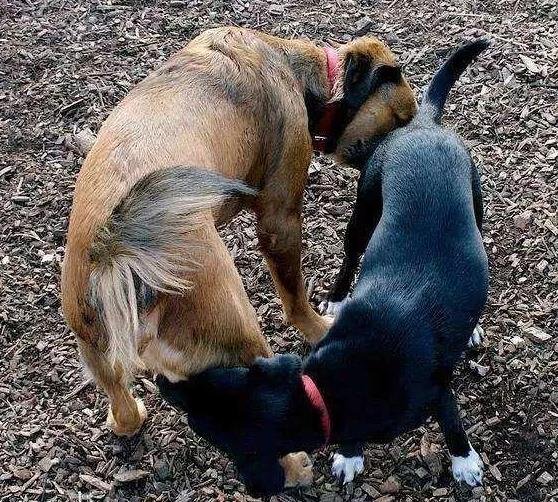
Why Is Your Dog Always Sniffing There?

Sniffing as Exploration

Read moreUnderstanding Why a Dog Might Have Seizures After Nursing

Another reason your dog might always be sniffing certain spots is to explore their environment. Dogs use their noses to map out their surroundings and understand what and who has been there. This is particularly common during walks or in new locations where the dog is trying to gather as much information as possible.

Health and Safety Considerations

While sniffing is generally harmless, it’s essential to monitor your dog’s behavior for any signs of obsessive sniffing or unusual interest in specific areas. This could indicate underlying health issues or the presence of harmful substances. If you have concerns, consulting with a veterinarian is always a good step.

In summary, a dog’s constant sniffing is a natural and important aspect of their behavior. It allows them to communicate, explore, and understand their world. Embracing this behavior can lead to a happier and more fulfilled pet.

Tags: pet supplies

Leave a Reply Cancel reply

You must be logged in to post a comment.

American Dingo anal gland expression animal behavior Budget Tips canine behavior Canine Care Canine Health dog behavior Dog Breeds dog care Dog Care Tips dog exercise Dog Food Dog Grooming dog health Dog Mating Process Dog Measurement Dog Nail Care dog nutrition dog ownership Dog Training Dog Wound Care Family Pets Hunting Dogs lipomas in dogs natural remedies for dogs newborn puppy care obedience training Pet Care Pet Care Tips Pet Health Pet Safety pet tips pet training Platelet Count Positive Reinforcement Potty Training Puppy Care puppy health Puppy Training Rabies in Dogs Temperature Monitoring Training Tips veterinary advice Veterinary Care

  • should dogs eat tuna fish Risks when dogs eat canned tuna 3 views
  • How to Care for a Sick Dog: Essential Tips for Pet Owners 1 view
  • Fighting Parvo at Home: What to Feed Your Dog and How to Tempt Their Appetite 1 view
  • How to Tell if Your Dog is in Pain: Key Signs and Symptoms 1 view
  • 7 Puppy Teething Remedies That Actually Worked (2026 Guide) 1 view
  • Top 10 Famous Dogs in the World The Three Stooges of Sledding and Housebreaking Make the List 1 view
  • Are Chihuahuas Good Family Pets? 1 view
  • Best Family-Friendly Dog Breeds for First-Time Owners 1 view
  • Guardian Dog Breeds: Protective Canines for Rural Homes 1 view
  • Pitbull Allergies: 7 Vet-Approved Signs, Treatments & How to Protect Your Dog (2025 Guide) 1 view

petdogsguide.com does not intend to provide veterinary advice. While we provide information resources and canine education, the content here is not a substitute for veterinary guidance.

pets

  • about us
  • Privacy Policy

Copyright Pet Dogs Guide 2026 | Theme by petdogsguide