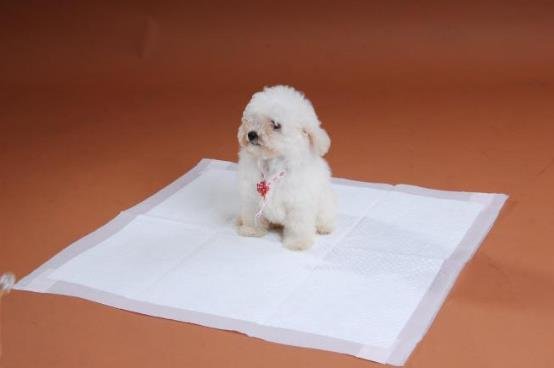
How to Attract a Dog to a Pee Pad: Effective Tips and Techniques
Understanding the Importance of Pee Pads
Pee pads can be a lifesaver for dog owners, especially those living in apartments or with limited outdoor space. They offer a convenient solution for house training and managing your pet’s bathroom needs. However, teaching your dog to use a pee pad can be challenging without the right approach.
Choosing the Right Pee Pad
The first step in attracting your dog to a pee pad is selecting the appropriate one. Look for high-quality pads that are absorbent and have a scent that mimics grass. Some pads come with attractants that can make the training process easier. Remember, the right pee pad can make a significant difference in training success.
Creating a Consistent Routine
Dogs thrive on routine. Establishing a consistent schedule for bathroom breaks can help your dog understand when and where to go. Place the pee pad in a designated area and encourage your dog to use it by leading them to the pad after meals, naps, and playtime. Consistency is key in helping your dog adapt to using the pee pad regularly.
Positive Reinforcement
Rewarding your dog with treats and praise when they use the pee pad correctly can reinforce the behavior. Positive reinforcement helps your dog associate the pee pad with positive experiences. Avoid scolding or punishment, as this can create fear and confusion, making the training process more difficult.
Monitoring and Adjusting
Keep an eye on your dog’s progress and be prepared to make adjustments if necessary. If your dog is struggling to use the pee pad, try moving it to a different location or using a different type of pad. Patience and persistence are essential in successfully training your dog to use a pee pad.
By following these tips and techniques, you can make the process of attracting your dog to a pee pad smoother and more effective. Remember, every dog is different, so be patient and adapt your approach as needed to ensure success.


Leave a Reply
You must be logged in to post a comment.