Skip to content

Menu

  • Home
  • Dog Breeds
  • Dog Care
  • Dog Health
  • about us
  • Privacy Policy
  • Dog Training

Archives

  • April 2026
  • March 2026
  • June 2025
  • May 2025
  • April 2025
  • March 2025
  • September 2024
  • August 2024
  • July 2024
  • June 2024

Calendar

April 2026
MTWTFSS
 12345
6789101112
13141516171819
20212223242526
27282930 
« Mar    

Categories

  • Dog Breeds
  • Dog Care
  • Dog Health
  • Dog Training

Copyright Pet Dogs Guide 2026 | Theme by petdogsguide | Proudly powered by WordPress

Pet Dogs GuidePet Care Guides & dogs training tips and Dog Health
  • Home
  • Dog Breeds
  • Dog Care
  • Dog Health
  • about us
  • Privacy Policy
  • Dog Training
  • You are here :
  • Home
  • Dog Training
  • How to Attract a Dog to a Pee Pad: Effective Tips and Techniques

How to Attract a Dog to a Pee Pad: Effective Tips and Techniques

Dog Training Article

Understanding the Importance of Pee Pads

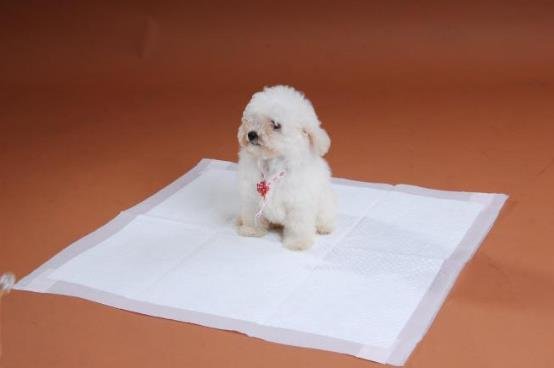
Pee pads can be a lifesaver for dog owners, especially those living in apartments or with limited outdoor space. They offer a convenient solution for house training and managing your pet’s bathroom needs. However, teaching your dog to use a pee pad can be challenging without the right approach.

Choosing the Right Pee Pad

The first step in attracting your dog to a pee pad is selecting the appropriate one. Look for high-quality pads that are absorbent and have a scent that mimics grass. Some pads come with attractants that can make the training process easier. Remember, the right pee pad can make a significant difference in training success.

Creating a Consistent Routine

Dogs thrive on routine. Establishing a consistent schedule for bathroom breaks can help your dog understand when and where to go. Place the pee pad in a designated area and encourage your dog to use it by leading them to the pad after meals, naps, and playtime. Consistency is key in helping your dog adapt to using the pee pad regularly.

Positive Reinforcement

Read moreEffective Tips to Potty Train Your Corgi

Rewarding your dog with treats and praise when they use the pee pad correctly can reinforce the behavior. Positive reinforcement helps your dog associate the pee pad with positive experiences. Avoid scolding or punishment, as this can create fear and confusion, making the training process more difficult.

Monitoring and Adjusting

Keep an eye on your dog’s progress and be prepared to make adjustments if necessary. If your dog is struggling to use the pee pad, try moving it to a different location or using a different type of pad. Patience and persistence are essential in successfully training your dog to use a pee pad.

By following these tips and techniques, you can make the process of attracting your dog to a pee pad smoother and more effective. Remember, every dog is different, so be patient and adapt your approach as needed to ensure success.

Tags: Dog Training, pee pads, Pet Care

Leave a Reply Cancel reply

You must be logged in to post a comment.

abscess treatment American Dingo anal gland expression animal behavior Budget Tips canine behavior Canine Care canine depression Canine Health dog behavior Dog Breeds dog care Dog Care Tips Dog Diseases dog exercise Dog Food Dog Grooming dog health Dog Nail Care dog nutrition dog ownership Dog Training Dog Wound Care Edema in Puppies Family Pets Hunting Dogs newborn puppy care obedience training Pet Care Pet Care Tips Pet Grooming Tips Pet Health Pet Safety pet tips pet training Positive Reinforcement Potty Training Puppy Care puppy health Puppy Training Rabies in Dogs Temperature Monitoring Training Tips veterinary advice Veterinary Care

  • How to Use an Ehmer Sling: A Comprehensive Guide 2 views
  • How to Care for a Sick Dog: Essential Tips for Pet Owners 1 view
  • grayscale photo of short coated dog with leash How to Get a Puppy to Sleep Through the Night 1 view
  • 13 Must-Know 2025 Pet Hotel Stats: Market Boom, Profit Margins & Future Trends Revealed 1 view

petdogsguide.com does not intend to provide veterinary advice. While we provide information resources and canine education, the content here is not a substitute for veterinary guidance.

pets

  • about us
  • Privacy Policy

Copyright Pet Dogs Guide 2026 | Theme by petdogsguide