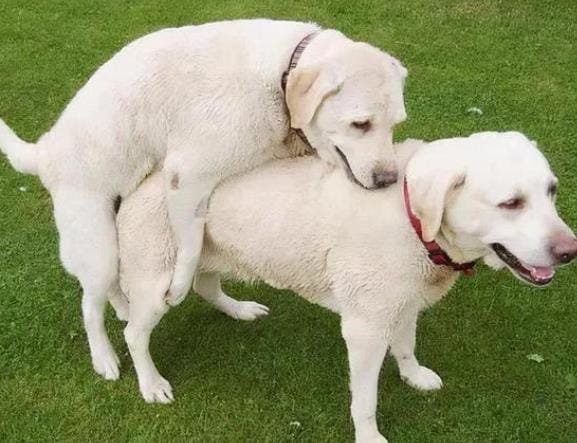
How Long Are Dogs Stuck Together After Mating?
How Long Are Dogs Stuck Together After Mating?
For many dog owners, witnessing the “tie” during dog mating can be a startling and confusing experience. It often looks as though the dogs are stuck together against their will, leading to panic and the urge to pull them apart. However, this phenomenon is a completely natural and necessary part of the canine reproductive process.
Here is everything you need to know about how long dogs stay stuck together, why it happens, and what you should (and shouldn’t) do during this time.
What is the “Tie”?
The “tie,” scientifically known as copulatory tie, occurs when the male dog’s bulbous gland (located at the base of the penis) swells inside the female’s vagina, while the female’s vaginal muscles contract around it. This locks the two dogs together, usually with the male standing behind the female or turning to stand back-to-back.
This mechanism ensures that semen is retained deep within the female’s reproductive tract, significantly increasing the chances of successful fertilization.
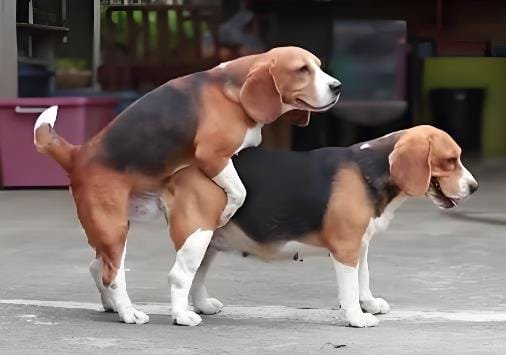
How Long Does It Last?
The duration of the tie varies from pair to pair, but here are the general timelines:
- Average Duration: Most ties last between 15 to 30 minutes.
- Shortest Duration: In some cases, it may last only 5 to 10 minutes.
- Longest Duration: Occasionally, a tie can last up to an hour, though this is less common.
The length of the tie does not necessarily correlate with the success of the pregnancy. Even a short tie can result in conception, while a long tie does not guarantee it. The swelling of the male’s gland gradually subsides, allowing the dogs to separate naturally once the process is complete.
Why You Should Never Pull Them Apart
If you see your dogs stuck together, your instinct might be to help them separate. Do not do this.
Pulling the dogs apart while they are tied can cause severe physical injury to both animals, including:
- Tearing of the female’s vaginal tissue.
- Fractures or soft tissue damage to the male’s penis.
- Extreme pain and psychological trauma for both dogs.
The tie is a physiological lock that must resolve on its own. Interfering can turn a natural process into a veterinary emergency.
What Should You Do During the Tie?
While you cannot speed up the process, you can ensure the dogs remain safe and calm:
- Stay Calm: Dogs can sense your anxiety. If you panic, they may become agitated, which can make the separation take longer or cause them to struggle.
- Prevent Movement: If the male tries to step over the female or move around wildly, gently guide him to stay still to prevent injury. Sometimes, the male will naturally turn so the two are standing tail-to-tail; this is normal.
- Keep Others Away: Ensure other pets or children do not disturb the pair.
- Time It: Keep an eye on the clock. If the tie lasts longer than an hour, or if either dog shows signs of extreme distress, aggression, or collapse, contact your veterinarian immediately.
When to Call a Vet
While the tie is natural, complications can rarely occur. Seek professional help if:
- The tie lasts longer than 60 minutes.
- The dogs are screaming, whimpering excessively, or showing signs of severe pain.
- There is visible bleeding (beyond minor spotting) from either dog.
- The male is unable to dismount even after the swelling has seemingly gone down.
Conclusion
The mating tie is a fascinating and essential biological function in dogs. While it may look alarming to the untrained eye, it is rarely a cause for concern. By understanding that the process typically lasts 15 to 30 minutes and knowing that interference can be dangerous, owners can ensure their dogs navigate this natural event safely and stress-free.
If you are not planning to breed your dogs, the best way to avoid the complexities of mating (and the resulting litters) is through spaying and neutering. Always consult with your veterinarian regarding the best reproductive health plan for your pet.


Leave a Reply
You must be logged in to post a comment.