
Corgi Types: Pembroke vs. Cardigan Welsh Comparisons
Pembroke vs. Cardigan Corgis: Which Fluffy Potato Fits Your Life?
Corgis have stolen the internet’s heart with their stubby legs and cheeky grins—but did you know there are two distinct types? Pembroke and Cardigan Welsh Corgis share a name but have surprising differences. Let’s unravel their quirks so you can pick the perfect loaf-shaped buddy!
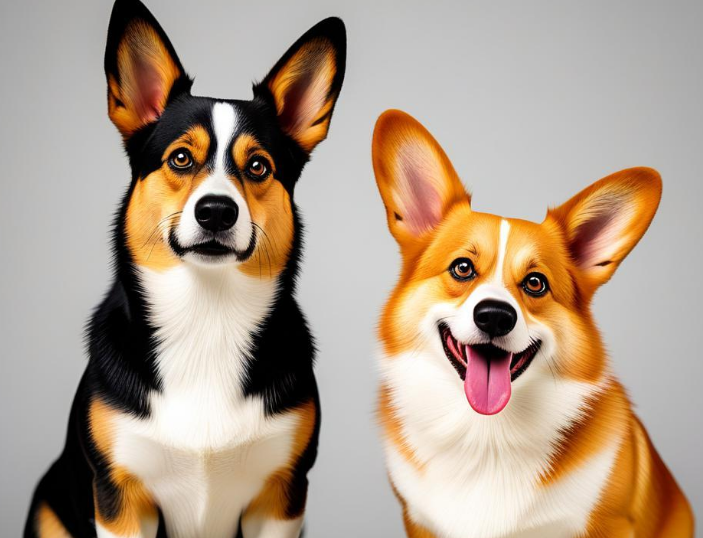
Looks: Tail Tales and Ear Drama
The quickest way to tell them apart? Check the tail! Pembrokes are the tailless (or super-short-tailed) stars you see in memes, while Cardigans flaunt long, fox-like tails that wag like feather dusters. Cardigans are also slightly larger and sturdier, with rounded ears that tilt forward. Pembrokes? Their pointy ears stand straight up, giving them a perpetually curious “What’s that?!” look.
Coat colors vary too. Pembrokes rock classic red, sable, or tri-color (black, tan, white). Cardigans go wild with options—blue merle, brindle, even black with tiger-like stripes! Both have that signature corgi fluff, but Cardigans often have a thicker, weather-resistant coat.
Personality: Social Butterfly vs. Chill Philosopher
Pembrokes are the life of the party. Bouncy, outgoing, and eager to please, they’ll charm your guests, herd your kids, and probably learn to open the fridge for fun. They crave attention and thrive in active homes where they’re the center of attention.
Cardigans? They’re more “think first, wiggle later.” Calmer and slightly aloof, they bond deeply with their family but might side-eye strangers. Don’t mistake this for laziness—they’re clever problem-solvers who enjoy a good puzzle or a quiet hike. One owner joked, “My Cardi stares at me like I’m a mildly interesting science experiment.”
Energy Levels: Zoomies vs. Snuggle Sessions
Both breeds need exercise, but Pembrokes are turbocharged. A 30-minute walk? They’ll add three laps around the house just because. They’re great for agility training or fetch marathons. Cardigans prefer a balanced life: a brisk walk, some brain games, then a dignified nap on your feet.
But beware—both will herd anything moving. Kids, cats, vacuum cleaners… it’s in their DNA. Training helps, but expect occasional ankle-nipping if they’re feeling “helpful.”
Health: Tiny Legs, Big Concerns
Their adorable short legs come with risks. Both breeds can develop back issues (like IVDD) from jumping on/off furniture. Pembrokes are prone to hip dysplasia and eye problems, while Cardigans may face degenerative myelopathy (a spinal cord disease). Reputable breeders screen for these, so always ask for health clearances!
Lifespan? Pembrokes average 12-15 years; Cardigans 12-14. Both stay puppy-like well into their golden years—mischief included.
Family Fit: Who’s Your Perfect Match?
Choose Pembroke if:
You want a clownish, social dog who’s obsessed with you.
Your home is lively (they handle noise and chaos well).
You’re ready for daily playtime and training games.
Choose Cardigan if:
You prefer a “velcro dog” who’s loyal but not in-your-face.
You enjoy calm adventures or cozy nights in.
You appreciate a dog with a quirky, independent streak.
The Final Bark
Pembroke = extroverted, meme-ready goofball. Cardigan = thoughtful, low-key soulmate. Both shed enough fur to build a second corgi (invest in a good vacuum!). Whether you’re Team Fluff-Butt or Team Foxy-Tail, you’ll get a loyal, smart companion who’ll steal your heart—and probably your snacks. 😉 Ready to join the corgi cult?


Leave a Reply
You must be logged in to post a comment.